

What is TMJ?
Call us now on 01302 969 501Many people experience jaw pain without understanding the cause. One common issue is TMJ, which can affect daily life more than expected. From headaches to difficulty eating, the symptoms can become frustrating over time. Understanding What is TMJ? can help you recognise the signs early and seek the right support.
TMJ stands for temporomandibular joint. This joint connects your jawbone to your skull and allows movements such as talking, chewing, and yawning. You have one joint on each side of your jaw, and they work together every day. When these joints become irritated or strained, they can lead to discomfort and restricted movement.
Common Symptoms of TMJ
TMJ disorders can affect people in different ways. Some symptoms appear gradually, while others happen suddenly. Jaw pain is one of the most common complaints. This discomfort may stay localised around the jaw or spread into the neck, shoulders, and face.
Many people also notice clicking or popping sounds when opening or closing their mouth. In some cases, the jaw may lock temporarily or feel stiff. Headaches are another frequent symptom, especially around the temples.
Some sufferers also experience ear pain, ringing in the ears, or pressure around the face. Because these symptoms overlap with other conditions, TMJ can sometimes go undiagnosed for long periods.
What Causes TMJ Problems?
There is not always a single cause behind TMJ disorders. Often, several factors contribute to the issue. Teeth grinding, also known as bruxism, places extra pressure on the jaw joints and muscles. Stress can also increase muscle tension around the jaw.
Poor posture may play a role too. Many people spend long hours looking down at phones or working at desks. This posture can place strain on the neck and jaw muscles over time.
Injuries to the jaw or arthritis within the joint may also contribute to TMJ pain. Even habits such as chewing gum excessively or clenching the jaw during stress can worsen symptoms.
Understanding What is TMJ? involves recognising how everyday habits and lifestyle factors can affect the jaw and surrounding muscles.
How TMJ Can Affect Daily Life
TMJ disorders can impact more than just your jaw. Persistent pain may make eating uncomfortable and speaking difficult. Some people avoid certain foods because chewing causes discomfort.
Sleep quality may also suffer. Teeth grinding during sleep often worsens TMJ symptoms and leaves sufferers waking with headaches or facial tension. Over time, this can affect mood, concentration, and overall wellbeing.
The discomfort can sometimes spread into the shoulders and upper back. Because the jaw, neck, and spine work together closely, tension in one area often affects another.
This is why many people explore professional support options, including chiropractic treatments in Doncaster, to help improve joint movement and reduce muscle tension.
How Chiropractic Care May Help TMJ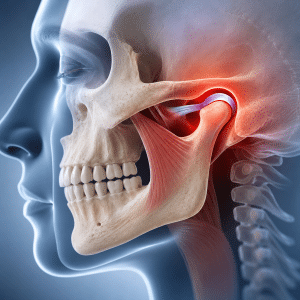
Chiropractic care focuses on the relationship between the spine, muscles, joints, and nervous system. For some TMJ sufferers, tension in the neck and upper spine may contribute to jaw discomfort.
A chiropractor may assess posture, neck mobility, and muscle tightness to identify areas of strain. Gentle adjustments and soft tissue techniques can sometimes help reduce pressure around the jaw and improve movement.
Treatment plans often include advice on posture, stretching, and lifestyle changes. Reducing stress and avoiding jaw clenching can also help manage symptoms more effectively.
Every case is different, so professional assessment is important. A tailored approach ensures the most suitable treatment for your specific symptoms.
Why Choose Thorne Road Chiropractic Clinic?
If you are struggling with jaw discomfort, headaches, or neck tension, Thorne Road Chiropractic Clinic offers professional and supportive care. Their experienced team understands how joint and muscle issues can affect everyday life.
The clinic takes a personalised approach to treatment. Rather than focusing only on symptoms, they aim to identify contributing factors that may be causing ongoing discomfort. This allows them to create treatment plans tailored to individual needs.
Patients value their friendly environment and commitment to patient wellbeing. Whether you are dealing with long-term TMJ symptoms or recent discomfort, the team works to help improve comfort, mobility, and quality of life.
Understanding What is TMJ? is the first step towards finding relief and improving your daily comfort.
Contact Us
If you are experiencing jaw pain, headaches, or tension around the face and neck, Thorne Road Chiropractic Clinic is here to help. Contact the team today to learn more about available treatments and book an appointment.