

What Can Help Relieve Sciatic Nerve Pain?
Call us now on 01302 969 501Sciatica can make everyday activities uncomfortable. Walking, sitting, driving and even sleeping may become difficult when pain travels through your lower back and leg. If you have recently developed symptoms, you may wonder what has caused them and what you can do about them. Fortunately, there are several ways to manage sciatica. However, understanding the cause of your symptoms is an important first step.
At Thorne Road Chiropractic Clinic, we regularly help people looking for sciatica treatments in Doncaster. Treatment starts with an assessment so we can understand your symptoms and how they affect your daily life.
What Does Sciatica Feel Like?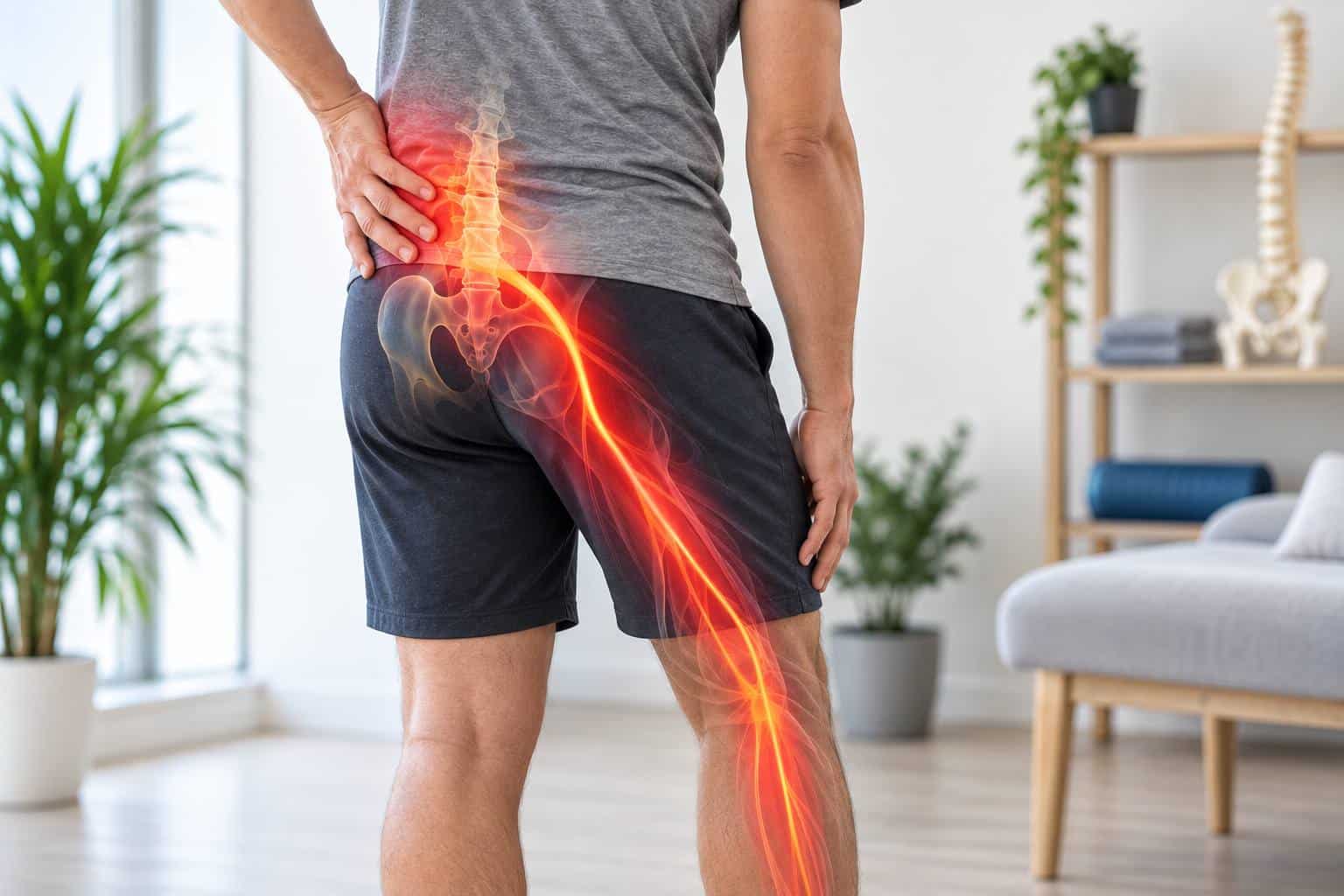
Sciatica describes pain associated with irritation or compression of the sciatic nerve. This large nerve runs from the lower back and continues down the legs. Symptoms often affect the bottom and back of one leg. They can also extend into the foot and toes. Common symptoms include sharp or burning pain, tingling, pins and needles, numbness and weakness. Some people also experience lower back pain. However, the leg symptoms can feel more noticeable than the discomfort in the back. Symptoms vary considerably between people. Therefore, an assessment can help identify what may be contributing to the problem.
What Causes Sciatica?
Several issues can irritate or place pressure on the nerves associated with sciatica. A slipped or herniated disc is one common cause. Other possible causes include spinal stenosis, spondylolisthesis and back injuries. Age-related changes within the spine may also contribute. Furthermore, lifestyle and work habits can sometimes affect your symptoms. Long periods of sitting, repetitive movements and unsuitable lifting techniques may place additional strain on your back. During an assessment, we look at your symptoms, movement and general spinal function. This allows us to develop an appropriate treatment approach.
What Can Help Relieve Sciatic Nerve Pain?
One of the most common questions is whether sciatica can be treated without surgery. For many people, conservative care plays an important role in managing symptoms. Most cases improve with time, movement and appropriate support. Surgery is generally only considered in certain cases when other treatment has not helped. Chiropractic care may form part of a conservative approach for some patients. Treatment will depend on your individual assessment and symptoms. Our chiropractors may use carefully controlled manual techniques where clinically appropriate. We can also provide guidance about movement, exercise and everyday activities. Importantly, treatment isn’t simply about the painful area. We also consider factors that could be contributing to your symptoms.
Should You Keep Moving When You Have Sciatica?
It can feel natural to avoid movement when something hurts. However, prolonged sitting or lying down isn’t generally recommended for sciatica. Instead, staying active within comfortable limits can support recovery. Gentle walking and suitable exercises may help you gradually return to normal activity. The important point is not to force movements that cause a significant increase in symptoms. A gradual approach is often better. Small amounts of regular movement can help you build confidence and tolerance over time. Your chiropractor can discuss suitable movements based on your assessment and current symptoms.
How Long Does Sciatica Take to Improve?
Another common question is how quickly sciatica goes away. There isn’t one answer because recovery varies between individuals. NHS guidance states that sciatica often improves within several weeks to a few months. However, some cases can take longer. Several factors can influence recovery. These include the cause of the irritation, your general health, activity levels and the severity of your symptoms. Therefore, What Can Help Relieve Sciatic Nerve Pain? isn’t about offering a quick fix. Instead, the aim should be to understand your symptoms and create a sensible plan for recovery.
When Should You Seek Medical Advice?
Most sciatica isn’t a medical emergency. However, certain symptoms need urgent attention. Seek urgent medical help if you develop severe or worsening weakness or numbness in both legs. You should also seek immediate help for numbness around the genitals or bottom. Changes in bladder or bowel control also require emergency medical assessment. Additionally, speak to a healthcare professional if your symptoms continue to worsen or stop you completing normal daily activities.
Can You Reduce the Risk of Sciatica Returning?
Unfortunately, sciatica can return. However, healthy habits may help reduce the likelihood of future problems. Regular activity is important. Good lifting techniques and sensible working positions may also help. If you spend long periods at a desk, regular movement breaks can prevent you remaining in one position for too long. Most importantly, listen to your body. Addressing recurring discomfort early may help prevent it from becoming more disruptive.
Living with sciatic pain can affect work, exercise, sleep and everyday life. However, understanding what is causing your symptoms can help you decide what to do next. At Thorne Road Chiropractic Clinic, we provide individual assessments and treatment plans based on each patient’s needs.
Contact Thorne Road Chiropractic Clinic
If sciatica is making everyday activities uncomfortable, contact our Doncaster clinic to arrange an appointment. Our team can assess your symptoms, discuss suitable treatment options and help you understand the next steps towards getting back to normal activity.