

How can whiplash affect my everyday life?
Call us now on 01302 969 501After a road traffic accident or sudden impact, many people ask, How Can Whiplash Affect My Everyday Life? At first, symptoms may seem mild. However, whiplash can disrupt daily routines, work responsibilities, and even sleep patterns.
Whiplash is a neck injury caused by a rapid back-and-forth movement of the head. This sudden motion strains muscles, ligaments, and soft tissues. Although it often results from car accidents, it can also occur during sports or falls.
Understanding how this injury affects your routine helps you seek support early and prevent long-term problems.
What Is Whiplash?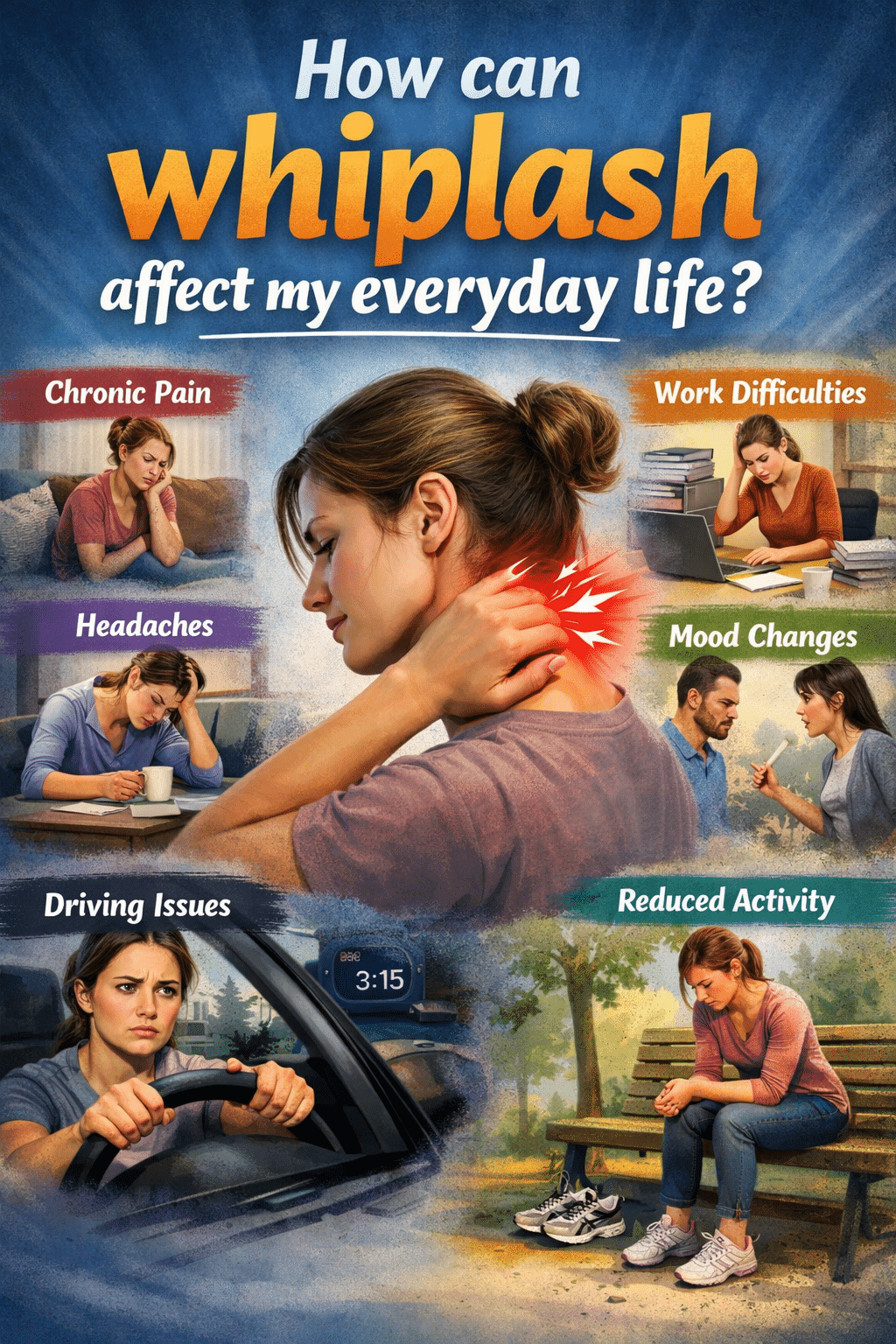
Whiplash occurs when the neck moves beyond its normal range of motion. The force places stress on muscles and connective tissues. Symptoms may appear within hours, or they may develop over several days.
Common symptoms include:
- Neck pain and stiffness
- Headaches, often starting at the base of the skull
- Shoulder or upper back pain
- Reduced range of motion
- Dizziness or fatigue
Although some people recover quickly, others experience symptoms for weeks or even months.
Physical Impact on Daily Activities
When asking How Can Whiplash Affect My Everyday Life?, it is important to consider physical limitations.
Difficulty Driving
Turning your head becomes painful or restricted. Checking blind spots may feel uncomfortable. This can reduce confidence behind the wheel.
Disrupted Sleep
Neck pain often worsens at night. Finding a comfortable sleeping position becomes difficult. Poor sleep then increases fatigue and irritability.
Challenges at Work
Office workers may struggle to sit at a desk for long periods. Manual workers may find lifting or repetitive movements painful. Even small tasks, such as looking down at paperwork, can cause discomfort.
Reduced Exercise and Hobbies
Activities like gym sessions, running, or even gardening may feel too painful. Reduced movement can affect both physical and mental wellbeing.
These daily frustrations often make the injury feel more significant than expected.
Emotional and Mental Effects
Physical pain does not tell the whole story. Emotional strain often accompanies whiplash injuries.
Persistent discomfort can lead to stress and frustration. If the injury resulted from a car accident, some people experience anxiety about driving. Others may feel low or isolated if they cannot take part in normal activities.
When pain affects sleep and mobility, mood can suffer. Over time, this can impact relationships and work performance.
Recognising the mental effects is just as important as treating the physical symptoms.
Long-Term Complications
For many people, symptoms improve within a few weeks. However, some individuals develop chronic pain. This is sometimes referred to as whiplash-associated disorder.
Long-term issues may include:
- Ongoing neck stiffness
- Frequent headaches
- Nerve-related symptoms, such as tingling in the arms
- Persistent fatigue
Without proper management, these problems can continue to affect daily life.
Seeking early assessment reduces the risk of prolonged discomfort.
The Importance of Early Treatment
Prompt care plays a key role in recovery. Rest alone is rarely enough. Gentle movement and guided rehabilitation often improve outcomes.
Healthcare professionals may recommend:
- Physiotherapy
- Manual therapy
- Targeted exercises
- Postural advice
- Pain management strategies
These treatments aim to restore movement and reduce inflammation.
If you are searching for whiplash treatments in doncaster, choosing experienced professionals can support a safe and structured recovery plan.
How Can Whiplash Affect My Everyday Life Over Time?
Many people underestimate the cumulative effect of small daily limitations. When pain interrupts sleep, concentration suffers. When concentration suffers, work performance may decline.
Avoiding activity due to fear of pain can lead to muscle weakness. Reduced movement can increase stiffness. This cycle makes recovery slower.
By addressing symptoms early, you can prevent short-term discomfort from turning into a long-term issue.
Practical Tips for Managing Symptoms
While professional care is important, there are steps you can take at home.
- Maintain gentle movement throughout the day
- Avoid long periods in one position
- Adjust your workstation for better posture
- Use supportive pillows at night
- Follow prescribed exercises consistently
Small adjustments can make daily life more manageable.
Listening to your body also helps. Pushing through severe pain may worsen the injury.
Returning to Normal Activities
Recovery timelines vary. Some people feel better within two to three weeks. Others may need several months of rehabilitation.
Gradual return to activity remains key. Start with light tasks and increase intensity slowly. Professional guidance ensures you do not overload healing tissues.
Patience and consistency often produce the best results.
Final Thoughts on How Can Whiplash Affect My Everyday Life?
So, How Can Whiplash Affect My Everyday Life? It can influence far more than just your neck. From disrupted sleep to reduced work performance, the effects can reach into many areas of daily living.
Physical discomfort, emotional strain, and reduced mobility often combine to create ongoing challenges. However, with early assessment and appropriate treatment, most people make a strong recovery.
If symptoms persist or worsen, do not ignore them. Seeking professional support can protect your long-term health and wellbeing.
Contact Us
If you are experiencing neck pain after an accident, our experienced team is here to help. We provide personalised assessment and evidence-based treatment plans. Contact us today to discuss your symptoms and begin your path to recovery.